
From Policy to Practice: Examining Barriers and Facilitators to Physical Activity in Early Childhood Education and Care (ECEC) in Ireland
Posted 31st July 2026
Guest post by Christiane Schulte
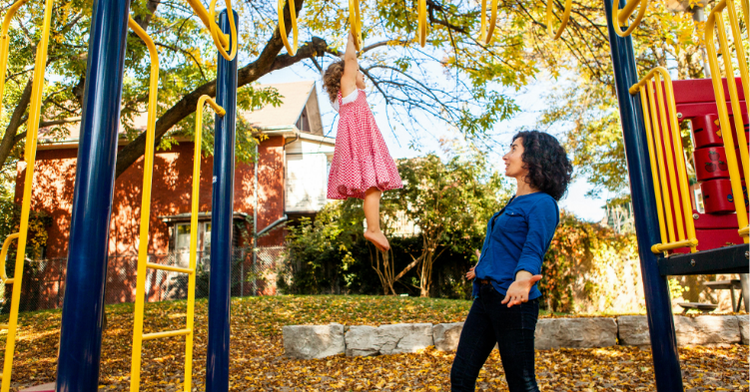
Physical activity is recognised worldwide as essential for young children’s health, learning and development. Yet what factors shape its everyday implementation in Early Childhood Education and Care (ECEC) settings remains an important question.
This question became the starting point for my doctoral research. While physical activity is widely recognised as fundamental to children’s physical, cognitive, social and emotional development, understanding how it is translated into everyday practice within Early Childhood Education and Care (ECEC) settings is far more complex. National policies, curriculum frameworks and public health recommendations provide valuable guidance, yet they cannot fully explain the differences that exist between settings or the everyday decisions educators make when creating opportunities for children to move, play and develop fundamental movement skills.
Rather than beginning with assumptions about what supports or hinders implementation, I wanted to begin somewhere else—by listening to the people who make these decisions every day. What are educators’ experiences? What influences their practice? And what can we learn from their perspectives to better understand how policy becomes practice?
These questions led me on a research journey that started not with a survey or a checklist, but with conversations. Through visits to Early Childhood Education and Care settings across the West of Ireland, I observed practice, reviewed policies and spoke with educators about their experiences of supporting physical activity and fundamental movement skills in their daily work. Their insights became the foundation of this study and shaped every stage of the research that followed.
As I listened to educators, a much richer picture began to emerge. Conversations certainly highlighted familiar issues discussed within the international literature, such as time, resources and professional learning. However, they also revealed something more. Educators described constantly balancing children’s interests, curriculum expectations, available environments, family perspectives, organisational priorities and their own professional judgement. Implementation was not simply about knowing what to do—it was about navigating the realities of everyday practice.
Some of the strongest influences on practice were not always those most frequently discussed in policy documents. Educators spoke about the importance of professional agency, the confidence to make decisions in response to children’s interests, creating inclusive opportunities for every child to participate, and the unique role that outdoor environments and nature played in encouraging movement. These conversations highlighted the complexity of implementation and reinforced that understanding educators’ lived experiences is essential if we want to support meaningful and sustainable change.
These findings also raised a new question. Existing implementation frameworks and validated questionnaires provided an excellent starting point, but could they fully capture the realities that educators had described? Rather than selecting a questionnaire “off the shelf”, the second phase of the research focused on developing a survey that combined established implementation science with the authentic experiences of educators. This process led to the development of the Physical Activity Implementation Survey for Early Childhood Educators (PAIS-ECE), a theory-informed survey designed to examine the behavioural, contextual and policy-related factors influencing physical activity implementation in Irish ECEC settings.

At EECERA 2026, I look forward to sharing this research journey—from policy to practice, from listening to educators’ experiences, and from qualitative insights to the development of a theory-informed implementation survey. I will discuss key findings from the qualitative phase of the study, the methodological decisions that shaped the development of the Physical Activity Implementation Survey for Early Childhood Educators (PAIS-ECE), and how implementation science can help us better understand the factors that influence everyday physical activity practice in Early Childhood Education and Care.
More importantly, I hope the presentation will encourage discussion. How can we better support educators to translate policy aspirations into meaningful everyday practice? Are our existing implementation frameworks sufficient, or are there important contextual influences that deserve greater attention? And how can research, policy and practice work together to create environments where every child has meaningful opportunities to move, explore and develop through physical activity?
Whether you are a researcher, educator, teacher, student or policymaker, I hope this presentation offers an opportunity to reflect on these questions, share experiences from different contexts and contribute to an important conversation about supporting children’s movement in the early years.
I look forward to meeting colleagues at EECERA 2026, exchanging ideas and continuing the conversation about how we can move from recognising the importance of physical activity to understanding—and strengthening—its implementation in everyday early childhood practice.
If you are interested in learning more about the research or discussing this work, I would be delighted to connect at EECERA 2026 or via LinkedIn. The resources below provide useful background reading for readers interested in physical activity, implementation science and early childhood education.
If you’re interested in this, you may also like:
Marinšek, M., Bedenik, K., & Kovač, M. (2026). The effects of teacher-led and teacher-guided interventions on preschool children’s motor competency. European Early Childhood Education Research Journal, 34(2), 274–290. https://doi.org/10.1080/1350293X.2025.2507258.
Buschmann Eriksen, P., Lerum, Ø., & Brekke Mandelid, M. (2026). ‘I wish I could fly’ exploring children’s experiences with movement in physically active learning. European Early Childhood Education Research Journal, 1–15. https://doi.org/10.1080/1350293X.2026.2645034.
References and Further Reading
Cane, J., O’Connor, D., & Michie, S. (2012). Validation of the theoretical domains framework for use in behaviour change and implementation research. Implementation Science, 7(37). https://doi.org/10.1186/1748-5908-7-37
Creswell, J. W., & Plano Clark, V. L. (2018). Designing and Conducting Mixed Methods Research (3rd ed.). Sage Publications.
Centre for Early Childhood Development and Education (CECDE). (2006). Síolta: The National Quality Framework for Early Childhood Education. Dublin: CECDE.
Government of Ireland. (2018). First 5: A Whole-of-Government Strategy for Babies, Young Children and their Families 2019–2028. Dublin: Government Publications.
Hesketh, K. R., Lakshman, R., & van Sluijs, E. M. F. (2017). Barriers and facilitators to young children’s physical activity and sedentary behaviour: A systematic review and synthesis of qualitative literature. Obesity Reviews, 18(9), 987–1017. https://doi.org/10.1111/obr.12560
Michie, S., Johnston, M., Abraham, C., Lawton, R., Parker, D., & Walker, A. (2005). Making psychological theory useful for implementing evidence-based practice: A consensus approach. Quality and Safety in Health Care, 14(1), 26–33. https://doi.org/10.1136/qshc.2004.011155
National Council for Curriculum and Assessment (NCCA). (2024). Aistear: the Early Childhood Curriculum Framework. Dublin: NCCA.
Sport Ireland. (2024). Physical Literacy Resources. https://www.sportireland.ie
Wolfenden, L., McCrabb, S., Barnes, C., O’Brien, K.M., Ng, K.W., Nathan, N.K., Sutherland, R., Hodder, R.K., Tzelepis, F., Nolan, E., Williams, C.M. & Yoong, S.L. (2022) Strategies for enhancing the implementation of school-based policies or practices targeting diet, physical activity, obesity, tobacco or alcohol use.
World Health Organization. (2019). Guidelines on Physical Activity, Sedentary Behaviour and Sleep for Children Under 5 Years of Age. Geneva: World Health Organization.
About the author
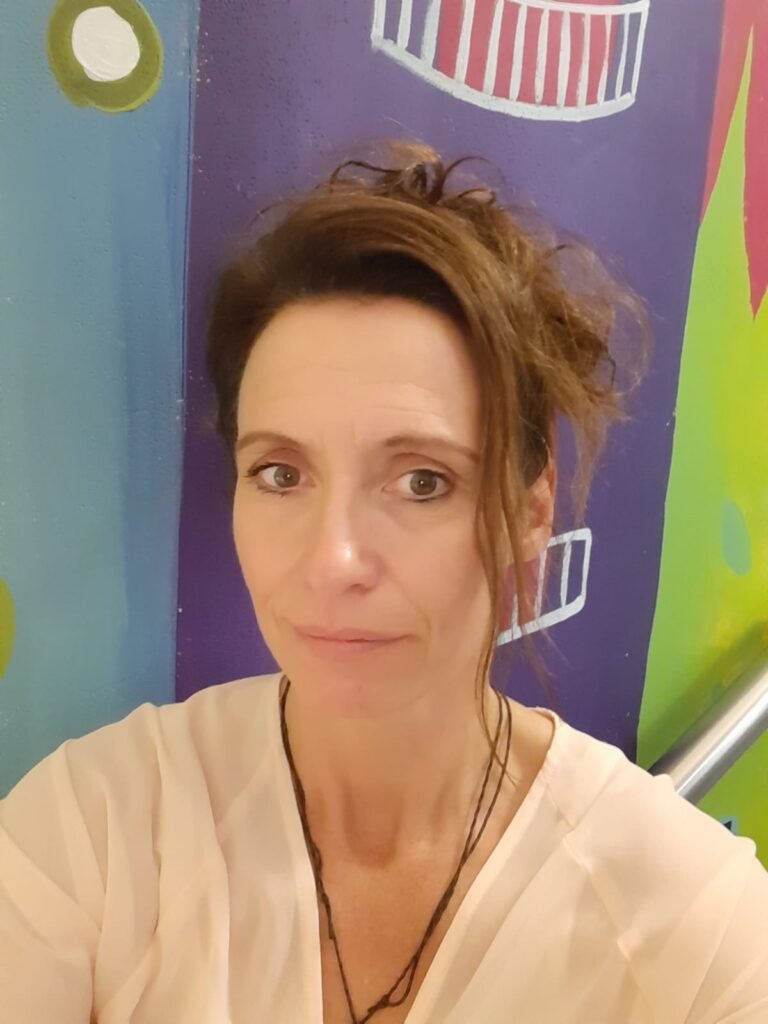
Christiane Schulte is a Practice Placement Coordinator for the Early Childhood Education and Care programme at Atlantic Technological University (ATU), Ireland, and a PhD researcher at the University of Galway.
With almost 20 years of experience working across the Irish early years sector as an educator, manager and lecturer, her research focuses on bridging the gap between policy and practice through implementation science. Her doctoral research explores how physical activity and fundamental movement skills are implemented in Early Childhood Education and Care settings and how educators’ experiences can inform more effective policy, professional learning and implementation support.
Christiane is passionate about research that is grounded in educators’ lived experiences and contributes to meaningful improvements in everyday practice for children, educators and the wider early years sector.
Connect with Christiane on LinkedIn.
This contribution is one of a series of short blog posts by presenters who will be sharing their work at the upcoming annual conference in Funchal, Madeira. Any views expressed in this post are those of the author(s) and do not necessarily reflect the official stance of their affiliated institution or EECERA.