
Seeing Engagement Differently: What Children’s Drawings Can Teach Us About Learning Environments
Posted 3rd August 2026
Guest post by Dr Amelia Ruscoe
What does engagement look like in early childhood education, and how can we recognise it more meaningfully? This blog explores an international research collaboration into children’s engagement, visual learning environments, the power of dialogic drawing, and the emerging concept of viscourse—highlighting how children’s own perspectives can help educators design spaces that foster agency, curiosity, and belonging.
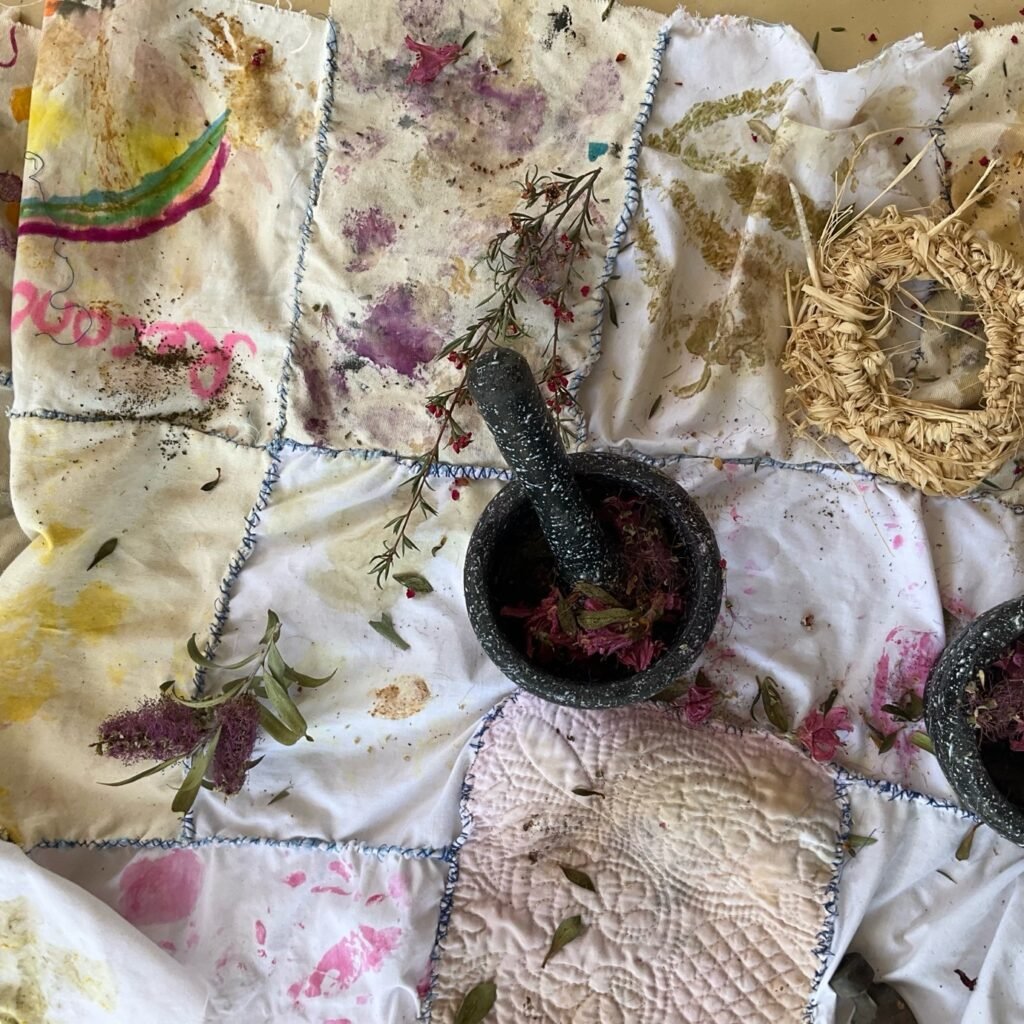
Figure 1. Free exploration of natural ‘loose parts’ using porous spaces where relocation is invited and new frontiers for experimentation can be unlocked. (Large Collaborative Table, East Maitland Early Learning Centre, NSW, Australia)
As early childhood educators, we have long been concerned with engagement. Yet in contemporary educational contexts, engagement is becoming increasingly complex to recognise, interpret, and nurture. Traditional indicators like participation, compliance, attention, or task completion, often tell only part of the story. Increasingly, my research asks a simple but important question: What if children are engaged in ways that adults do not always notice?
This question sits at the heart of my presentation at the EECERA Conference, where I will share findings from a recent international research collaboration exploring children’s engagement through child-centred inquiry, and the inherent impact of environmental design.
Over the past decade, my work has focused on developing methods that allow young children to communicate their experiences of learning on their own terms. One of these approaches, dialogic drawing, invites children to create drawings while engaging in conversations about their ideas, experiences, with reference to the contexts in which these sit. Rather than treating drawings as products to be interpreted by adults, dialogic drawing honours ethical listening where children are acknowledged as active meaning-makers and research partners.
This work has revealed the remarkable sophistication with which young children evaluate their own learning and the impact of adult curated learning contexts upon their propensity to engage. Children notice details adults often overlook. They identify elements that make them feel capable, trusted, and connected. They explain why certain spaces invite exploration while others may inadvertently discourage participation.
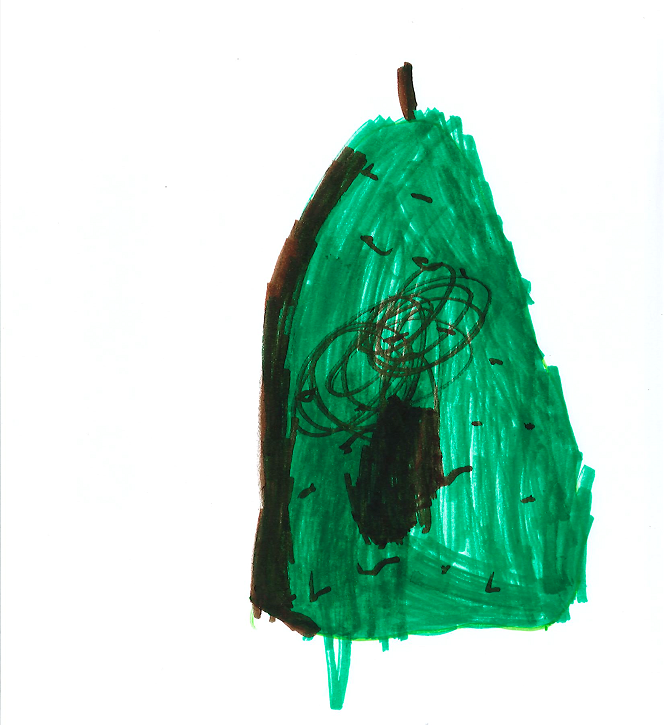
Figure 2. Leon links curated provocations about life cycles to his ripening pear: “Pears are food… they make me strong. My pear got from pink to green. It has a black bit coming – see I’m drawing it – so I have to eat it right now.” (Child, aged 3, East Maitland Early Learning Centre, NSW, Australia)
These insights led to our international research project on the viscourse—a concept developed to describe the discursive power of visual learning environments. The viscourse recognises that what children see around them is never neutral. Displays, materials, images, documentation, and spatial arrangements communicate powerful messages about what is valued, who belongs, and what kinds of learning are possible.
Across sites in Australia, Thailand, the United Kingdom, and the United States, our research found that children consistently responded to environments that communicated authenticity, agency, and trust. They gravitated toward nature-rich provocations, accessible materials, and opportunities to revisit meaningful experiences over time. We observed how thoughtfully planned environments functioned as a “silent partner” in learning, shaping children’s identities and engagement trajectories complementing emerging relationships, human and other, in the learning community.
These findings extend upon other recent research conducted with the Association of Independent schools in Western Australia, undertaking the challenge of designing an ethical approach to monitoring engagement in contemporary early childhood settings. As educational systems increasingly seek measurable evidence of learning, the study sought to address the risk that nuanced forms of engagement may become overlooked. Children were found to be deeply engaged through observation, prolonged thinking, revisiting experiences, drawing, storytelling, or relationship-building—forms of participation that were not always immediately visible or ‘testable’, but fundamental to children’s long term learning success.
My EECERA presentation will explore how educators can move beyond narrow indicators of engagement and adopt more holistic ways of recognising children’s learning journeys. Attendees can expect practical examples of the child-informed elements that can support adult curation of learning environments for young children from our international research project, and to learn more about engagement as a dynamic, relational, and contextual phenomenon.
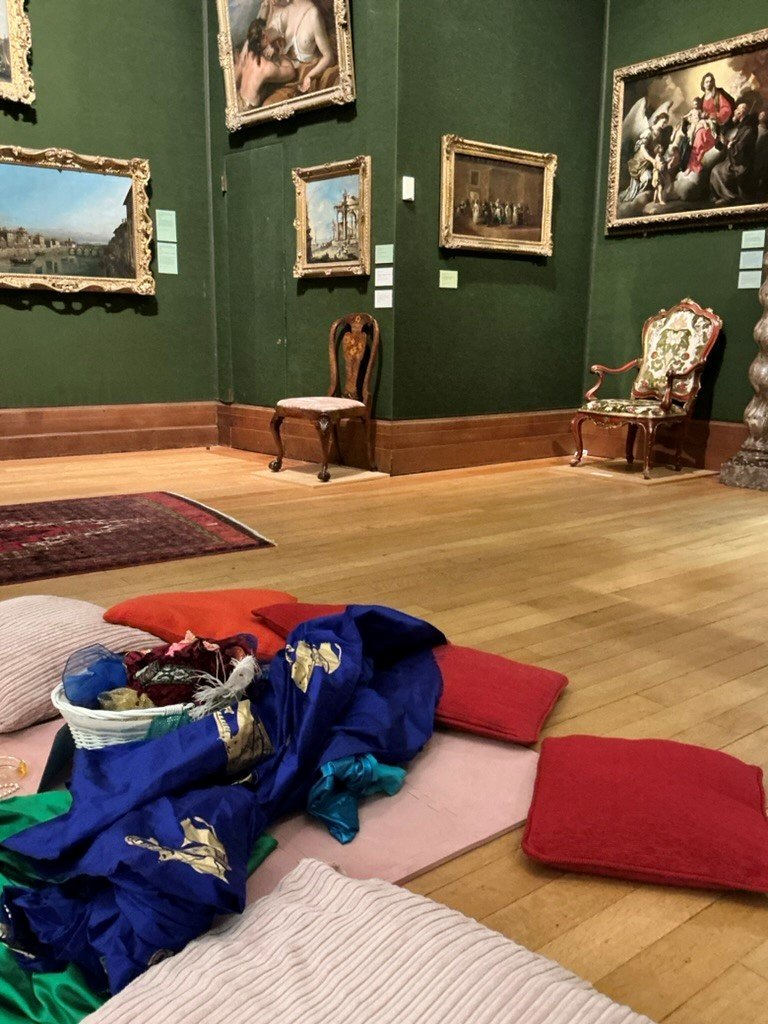
Figure 3. Powerful First Experiences (PFE) beyond traditional learning settings remind of the shared role of adults as ‘curators’ of meaningful and memorable sites of learning and inquiry. (Fitzwilliam Museum, University of Cambridge).
Ultimately, this work is about protecting and strengthening children’s agency. At a time when many early childhood systems are experiencing increasing pressures around assessment, accountability, and standardisation, it is important that we continue listening carefully to children’s perspectives. Their drawings, conversations, choices, and actions offer powerful insights into how the curation of learning contexts can support curiosity, creativity, belonging, and participation.
I look forward to sharing these ideas at EECERA and engaging in conversations about how we can continue designing educational spaces that not only empower children, but also bring our own joy of teaching and learning to the fore.
If you’re interested in this, you may also like:
Areljung, S. (2026). Five ways of engaging with a drawing task: exploring children’s drawing processes and emergent systems thinking. European Early Childhood Education Research Journal, 1–18. https://doi.org/10.1080/1350293X.2026.2624466.
Eriksson Bergström, S. (2021). Glitter, flashlights, and building pillows – about physical prerequisites for creativity. European Early Childhood Education Research Journal, 29(2), 278–292. https://doi.org/10.1080/1350293X.2021.1895271.
Relevant publications and research outputs:
Ruscoe, A. (2022). Dialogic Drawing: A Method for Researching Abstract Phenomenon in Early Childhood: Profiling Emerging Research Innovations. Video Journal of Education and Pedagogy, 7(1), 1-22. https://doi.org/10.1163/23644583-bja10036
Ruscoe, A., Lavina, L., Barblett, L. & Boylan, F. (2025). Funds of knowledge and the transition to school: A scoping review. Review of Education. https://doi.org/10.1002/rev3.70092
Ruscoe, A. (2025). Responding to children’s voices: The new frontier in education policy reform. The Australian Educational Researcher, 52, 1245-1260. https://doi.org/10.1007/s13384-024-00761-w
Ruscoe, A., & Lavina, L. (2025). Dialogic drawing: A pedagogical tool to promote and monitor learner engagement. Edith Cowan University. https://doi.org/10.25958/9s00-gk49
Ruscoe, A. (2025). Responding to children’s voices: The new frontier in education policy reform. The Australian Educational Researcher, 52, 1245-1260. https://doi.org/10.1007/s13384-024-00761-w
Ruscoe, A., & Baker, P. (2024). Designing Bespoke Visual Mediation Tools Using ‘Viscourse’ for Intergenerational Research: Visiblising Pedagogies. Video Journal of Education and Pedagogy, 9(1), 1-20. https://doi.org/10.1163/23644583-bja10055
About the Author
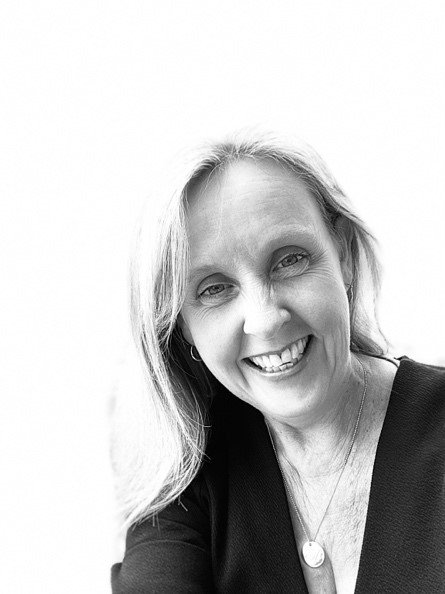
Dr Amelia Ruscoe is an Associate Professor at the University of Notre Dame Australia, whose work focuses on children’s voices in learning engagement, visual-dialogic methodologies, and transitions in the early years. Her research includes the development of dialogic drawing as a participatory methodology, investigations into the concept of viscourse, and more recent work examining how engagement can be recognised and monitored in contemporary educational contexts.
Website: https://www.ameliaruscoe.com
LinkedIn: https://www.linkedin.com/in/ameliaruscoe
I will be presenting at EECERA on how children’s perspectives, visual methodologies, and learning environment design can help us rethink engagement in the early years. I look forward to continuing this important conversation with colleagues from across the international early childhood community.
The Research Team
This research is a collaborative international effort led by Dr. Amelia Ruscoe (University of Notre Dame Australia), with co-researchers Dr. Nicola Wallis (London National Portrait Gallery), Dr. Lea Mai (Bangkok International School), Dr. Leanne Lavina (Edith Cowan University, Western Australia), and Dr Clare Murray (University of Columbia, New York)
This contribution is one of a series of short blog posts by presenters who will be sharing their work at the upcoming annual conference in Funchal, Madeira. Any views expressed in this post are those of the author(s) and do not necessarily reflect the official stance of their affiliated institution or EECERA.