
Vocal health issues in early childhood professionals
Posted 29th July 2026
Guest post by Janey Maxwell

For early childhood practitioners (ECPs), the voice is the main mode of communication between themselves and the children in their care. So, what help is provided during and after initial training, to ensure ECPs have a voice that enables them to engage with young children in a safe, healthy and engaging way? When the voice is not functioning as it should, are they an outlier or is this a frequent issue for ECPs? Are there environmental and personal factors that have created this problem and if so, what steps can be taken to improve the situation? This blog outlines the findings of a Scoping Review into the existing research, recently published in English, to explore the vocal health of ECPs.
Background
The prevalence of voice disorders incurred by teachers is significantly greater than the general population and other professional voice users (Roy et al., 2004b; de Jong et al., 2006). Each educational stage has its own physical and vocal expectations, but much literature treats them as a homogenous group. However, when comparing the vocal expectations of primary school teachers and secondary teachers, those working with younger children have been shown to work for extended periods, with few opportunities for vocal rest (Sala et al., 2001). Does this trend of increased prevalence of vocal disorders continue into the early childhood environment where ECPs talk for extended periods in noisy environments, factors that have been shown to exacerbate vocal issues (Smith et al., 1998)? This scoping review wanted to determine what research has globally been published focusing specifically on the vocal health of those working with the under 7s.
Findings Overview
After examining 6 databases, only 30 papers were published in English focusing specifically on the vocal health of ECPs, with none of this research being conducted in the UK. Globally, vocal issues such as vocal fatigue and voice loss were widely reported, impacting on ECPs work and personal lives. The key factors impacting on ECPs’ vocal health were found to be personal (age and years teaching) plus environmental factors (class size and noise levels), and lifestyle choices (hydration levels). When vocal issues occur, many ECPs delay or avoid getting medical help, reasons given including normalisation of symptoms, lack of time and difficulties getting the help needed. A consistent issue was the lack of vocal health education and preventative training for ECPs, in their initial training or throughout their careers.
Implications for early childhood practitioners
Internationally, ECPs, early childhood education managers and policymakers need to ensure the vocal health of ECPs is considered a priority. Vocal training should be provided throughout practitioners’ careers and efforts should be made to reduce the vocal load with consideration to the working expectations and environment.
Final Reflection
In times of increased expectations on ECPs, and problems in recruitment and retention, it is vital to safeguard the vocal health of those choosing to be part of the ECE community.
References
de Jong, F. I. C. R. S., Kooijman, P. G. C., Thomas, G., Huinck, W. J., Graamans, K. and Schutte, H. K. (2006) ‘Epidemiology of Voice Problems in Dutch Teachers’, Folia phoniatrica et logopaedica, 58(3), pp. 186-198.
Roy, N., Merrill, R. M., Thibeault, S., Parsa, R. A., Gray, S. D. and Smith, E. M. (2004b) ‘Prevalence of Voice Disorders in Teachers and the General Population’, Journal of speech, language, and hearing research, 47(2), pp. 281-293.
Sala, E., Laine, A., Simberg, S., Pentti, J. and Suonpää, J. (2001) ‘The prevalence of voice disorders among day care center teachers compared with nurses:: A questionnaire and clinical study’, Journal of voice, 15(3), pp. 413-423.
Smith, E., Lemke, J., Taylor, M., Kirchner, H. L. and Hoffman, H. (1998) ‘Frequency of voice problems among teachers and other occupations’, Journal of voice, 12(4), pp. 480-488.
About the Author
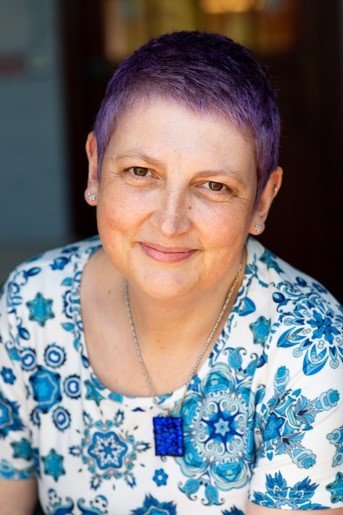
Janey Maxwell is a PhD student at Newcastle University, researching the vocal health of English early childhood practitioners with a focus on music practitioners. Prior to pursuing a PhD, Janey spent 20+ years as a teacher, initially in the primary classroom, but fairly quickly solely teaching music, with a focus on early years. Janey was forced to leave the classroom in 2022 when she suffered vocal cord paralysis and turned her attention to the vocal health of those still working as early childhood professionals. Janey’s research project investigates the prevalence of vocal health issues and vocal health training provided across the early childhood sector with a special focus on early childhood music practitioners. Through surveying initial teacher training providers, in-service training providers and early childhood practitioners, the aim is to highlight areas of concern and suggest steps to aid the prevention of voice issues within the early childhood sector.
Connect with Janey Maxwell on LinkedIn.
This contribution is one of a series of short blog posts by presenters who will be sharing their work at the upcoming annual conference in Funchal, Madeira. Any views expressed in this post are those of the author(s) and do not necessarily reflect the official stance of their affiliated institution or EECERA.